Planning a Renovation? Don't Make This Cabling Mistake
The one thing most homeowners and builders may overlook and why fixing it later costs far more than getting it right now.
You've planned the kitchen layout. You've chosen the tiles. You've spent three weeks arguing about the right shade of grey for the living room walls. But there's one thing that almost never makes the planning conversation and it's the thing that's hardest to fix once the walls are closed up.
Structured cabling. The backbone of your home network.
It's not glamorous, and it's easy to deprioritise when there are so many other decisions to make. But if you're extending, renovating or building from scratch, the window to do this properly is open right now and once the floors are laid, walls completed, it gets dramatically more expensive and disruptive to sort out.
Why Renovations Are the Perfect Opportunity
When walls are unfinished, cables can be chased in, routed through stud walls, ceiling joists and floor voids. A cabling run that takes an hour during a renovation can take a full day and cause significant mess in a finished room.
The materials themselves are not expensive. The cost of doing it right at this stage is a tiny fraction of what you'll spend if you revisit it in five years.
What to Plan and Where to Plan It
Before the walls go back up, think through where you'll actually use network connections. Good places to plan outlets include:
- Living room - for the TV, a games console, and a smart home hub
- Home office or study - for a wired desk connection
- Bedrooms - increasingly useful for home working, TV and gaming
- Kitchen - for smart appliances, a wall-mounted display, or a home assistant
- Utility room or cupboard under the stairs - as a central termination point for all your cabling
- Garage or outbuilding - especially if you work from there or want CCTV coverage
The general rule is to place an outlet wherever you'd put a power socket. You might not need it all right now but running spare capacity network cabling and outlets will assist you in the near future with expansion to your home devices.
Plan Your Central Point First
Every cable needs somewhere to go. In a well-designed home network, all the cables run back to a central termination point, typically a small data cabinet or patch panel in a utility space, under the stairs or in an cupboard.
From there, a single cable connects to your ISP (Internet Service Provider) router, and you have clean, labelled control over every connection in the house. It sounds elaborate, but in practice it's one of the tidiest and most satisfying parts of a good home network install.
Choose the Right Cable Now, Not Later
Since you're running cables that will likely be in your walls for ten to twenty years, it's worth choosing a specification that won't date quickly. Cat 6a is the sensible choice for permanent wall runs - it supports 10 Gigabit speeds over the full 100 metre channel distance and has more headroom for the network demands of the next decade.
For longer runs, outdoor installations or areas where you want complete immunity from electrical interference, fibre optic cable is worth considering and the price has come down significantly in recent years.
Don't Forget the Finishing Details
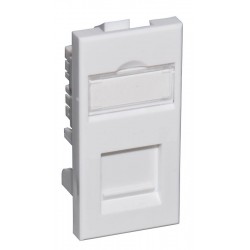
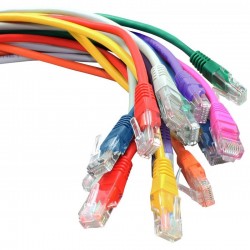
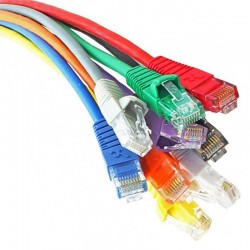
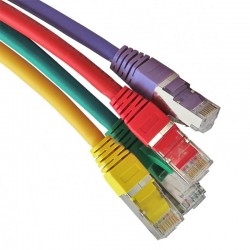
A well-routed cable deserves a correct termination. Wall outlet plates with keystone jacks give a clean, professional finish in every room, they look like a standard size face plate, such as switches or electrical sockets and connect to your devices with a simple patch lead. Label your cables as you go and test each run before the walls and floors are closed.
Taking twenty minutes to label and document your network now will save hours of frustration in the future.
We Can Help You with Choosing the Correct Items
If you're doing a full new build or a single room extension, we can help you spec out everything you need - cable, wall plates, patch panels, cabinets and accessories. Get in touch with our team before your build starts and we'll make sure you're ordering the right products in the right quantities.
📞 01376 333 500 ✉️ sales@cablemonkey.co.uk